
"coffee growing in Kenya"
4000 article(s) found
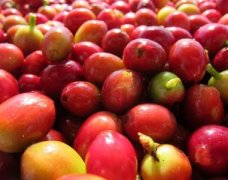
Global Coffee producing area-introduction to Kenya: market and cultivation of Coffee in Kenya
Kenyan coffee market: the Kenyan government takes the coffee industry very seriously, where it is illegal to cut down or destroy coffee trees. Kenyan coffee buyers are world-class high-quality coffee buyers, and no other country can grow, produce and sell coffee on a continuous basis like Kenya. All coffee beans are first made by the Kenya Coffee Commission (CoffeeBoardofKenya)

Kenya Mulango coffee beans basic information _ Kenya Muranga Mulanka coffee how to make?
Professional coffee knowledge exchange more coffee bean information please follow coffee workshop (Wechat official account cafe_style) raw bean basic information producer: small farmers around the Tangkasi treatment plant (Thungathi Factory): Mulanka County (Muranga County,Central Kenya), central Kenya, altitude: 1350-1950m above sea level: full washing, elevated day

Introduction to the Origin of Kenyan Coffee by introducing the Flavor and Taste characteristics of Kenya Coffee Manor
The Kenyan government takes the coffee industry very seriously, where it is illegal to cut down or destroy coffee trees. Kenyan coffee buyers are world-class high-quality coffee buyers, and no other country can grow, produce and sell coffee on a continuous basis like Kenya. All coffee beans are first purchased by the Kenya Coffee Commission, where they are identified, graded, and then on a weekly basis.

Kenya Kirinyaga Kibrigwi Thunguri AA TOP washed beans is the best coffee in Kenya AA grade?
Kenya is a powerful country in the coffee industry in East Africa. Whether it is the coffee in the cup, or the way they grow and handle the coffee; it is first-class. It is first-class both in the cup and in the way they do trade. Kenyan coffee features Kenyan KirinyagaKibrigw in taste
Characteristics of Kenyan coffee beans methods of growing Kenyan coffee beans
Coffee entered Kenya in the 19th century, when Ethiopian coffee drinks were imported into Kenya through southern Yemen. But it was not until the early 20th century that the Bourbon Coffee Tree was created by the St. Austen Mission (St). AustinMission) is introduced. Kenyan coffee is mostly grown at an altitude of 1500 to 2100 meters and is harvested twice a year. To ensure that only ripe berries are picked, people must be in the forest

Kenyan specialty coffee Introduction Kenyan coffee Market Kenyan coffee Features Kenya
The British landed coffee in Africa in 1878 and coffee plantations were established in Kenya in the 19th century, when Ethiopian coffee drinks were imported to Kenya via southern Yemen. But it wasn't until the early 20th century that bourbon coffee trees were grown by St. Austin Mission introduced. Kenya coffee growing area: Kenya coffee is mostly grown at an altitude of 1500

Kenyan coffee beans Kenyan coffee Kenyan coffee the best coffee in Kenya
Professional coffee knowledge exchange for more information on coffee beans Please follow Coffee Workshop (Wechat official account cafe_style) the coffee industry in Kenya is famous for its collaborative system of production, processing, grinding, sales and auction systems. About 70% of Kenya's coffee is produced by small farmers. It is estimated that there were about 150000 coffee farmers in Kenya in 2012, while other estimates show that there were 6 million.

What's so special about PB round beans in Kenya Sasini processing plant? how much is Kenya coffee bean PB?
Professional coffee knowledge exchange more coffee bean information please follow the coffee workshop (Wechat official account cafe_style) Kenya Coffee AA TOP SASINI Manor boutique tree species: SL28/SL34 Cup Flavor: mango, Wumei, aroma, acidity bright altitude: 1800 Kenya Sasini processing Plant introduction: SASINI Manor is located in Mount Kenya (Mountain Kenya)

Kenya's best AA recommend what is the classic Kenyan boutique Kenya introduction
Professional barista exchanges please follow the coffee workshop (Wechat official account cafe_style) Kenya AA TOP Mahiga (Kenya Mahiga AA TOP) flavor description: plum, tea, kumquat, fine flowers. Country of origin: Kenya (Kenya) production area: Neri production area (Nyeri) producer: Mahiga treatment Plant (Mahiga Factory) varieties: SL28, SL34 classification:

Stories and allusions of boutique coffee beans in Karoguto, AA of Kaili, Kenya
For the exchange of professional baristas, please pay attention to the coffee workshop (Wechat official account cafe_style) the story of AA Karoguto boutique coffee beans in Kenya. The Kenyan coffee variety was first brought to Kenya to grow in Bourbon bourbon. In the 1950s, the then agricultural research institution ScottLaboratory selected SL through unremitting efforts.

Kenya SL28 coffee varieties introduction Kenya SL28 coffee flavor? SL28 Coffee
SL28 is one of Africa's most famous and respected breeds. As a result, it initially spread from Kenya to other parts of Africa (especially in Arabica cultivation areas in Uganda, especially in Uganda, and especially in Latin America). This variety is suitable for middle and high altitudes and exhibits drought resistance, but is susceptible to major coffee diseases. SL28 is known for its simplicity-it's a

Kenya AASL 28 Coffee Flavors Kenya AASL28 Coffee Flavors
Professional barista exchanges, please pay attention to coffee workshop (Weixin Official Accounts cafe_style) Kenya, located in East Africa, is one of the main coffee producing countries. There are about 6 million people engaged in coffee industry in the country, mostly in the form of a combination of small farmers and cooperatives. Coffee trees in Kenya are mostly planted at an altitude of 1400 - 2000 meters, and their growth areas include Ruiri, Thika, Kirinyaga, Mt.

Introduction to the characteristics of the Fine Coffee Flavor Manor in Kenya the Central Dashan area of Nyeri
Kenya has two coffee cherry production seasons a year. The main season is from October to December and the secondary season is from April to June. As a loyal fan of Kenyan coffee, we sugar bean boutique coffee certainly will not miss this delicious coffee. At the end of August, we arrived a new batch of new Kenyan beans in this season, from the Kenyan Gatuya washing station. The washing station was established in 1962 and currently cooperates with about 1.

Introduction to the method of brewing coffee beans in Tanzania description of coffee flavor of Kilimanjaro, Tanzania
African coffee is undoubtedly dominated by Ethiopia and Kenya, these two big African coffee producers, both in terms of quality and quantity, can be well guaranteed. At the same time, coffee from Tanzania, a big country in East Africa, is also gradually coming into people's view. Tanzania Coffee Tanzania borders Kenya, and the time to start growing coffee is also similar. 1898, Catholic

Description of flavor of washed coffee beans by pb-top in Kenya
Kenya pb-top washed coffee beans flavor description taste treatment method Kenya is a country specially designed to pick out round beans and sell them separately, but Kenyan round beans are not common in Kenya. Kiaga Farm is located between the Rutene River and Rwarai, about 1900 meters above sea level, is a good place to grow and handle high-quality coffee. The size of Kenya's PB is relative to Kenya's AA.
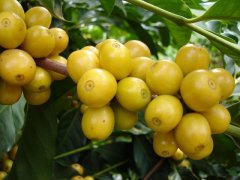
Kenya Gikanda Cooperative Kangocho Kangguqi Farm details Kenya AA
For the exchange of professional baristas, please follow the coffee workshop (Wechat official account qianjiecoffee) Kenya AA Kangguqi Kangocho Farm Kenya is a model country for producing fine coffee beans. Coffee was introduced from Britain in 1900, and only traditional Arabica did not have the best bourbon species of SL28 and SL34 in Kenya until 1950. All water is collected and treated.

A brief introduction to the Market Price of simple and mild Uganda Fine Coffee Bean varieties
The western branch of the East African Rift Valley runs through the western border, with many rivers and lakes at the bottom of the valley. Uganda has a great Victoria lake, coupled with the high mountains, which makes Uganda a mild climate suitable for growing coffee, although it spans both sides of the equator. The coffee growing industry in Uganda is one of the pillar industries of its exports. Uganda is the birthplace of Robsta in Africa, just as Ethiopia is the native source of Arabica coffee.

Fruit acid red wine Kenya Jinchu Valley Coffee Variety characteristics Taste Manor Boutique Coffee Bean Flavor Introduction
Embu Washing Station from Gichugu region, Kenyan double washing method, growing in Manyata-Embu County on the eastern slope of Kenya Mountains from 1550 to 1750, varieties are Kenya classic SL28, SL34, plus the large temperature difference between day and night, and Kenya's red phosphoric acid soil, making this Kenya's second sour and sweet

Sugarcane Juice Red Wine Fruit Acid, Kenya Kam Early Valley Coffee Flavor, Characteristics, Taste and Estate Introduction
Embu Washing Station from Gichugu region, Kenyan double washing method, growing in Manyata-Embu County on the eastern slope of Kenya Mountains from 1550 to 1750, varieties are Kenya classic SL28, SL34, plus the large temperature difference between day and night, and Kenya's red phosphoric acid soil, making this Kenya's second sour and sweet
Kenyan Coffee Manor skin, brief introduction of Kenyan Coffee
Following Kaiping (official Wechat account vdailycom) found that the Beautiful Cafe opened a small shop of its own Kenya is a neighbor of Ethiopia, the country of origin of Arabica coffee. The time when Kenya began to grow coffee is said to be at the end of the 19th century. The seeds were brought into Kenya by Christian missionaries and planted in a farm run by that colonial country, but for the second time.